
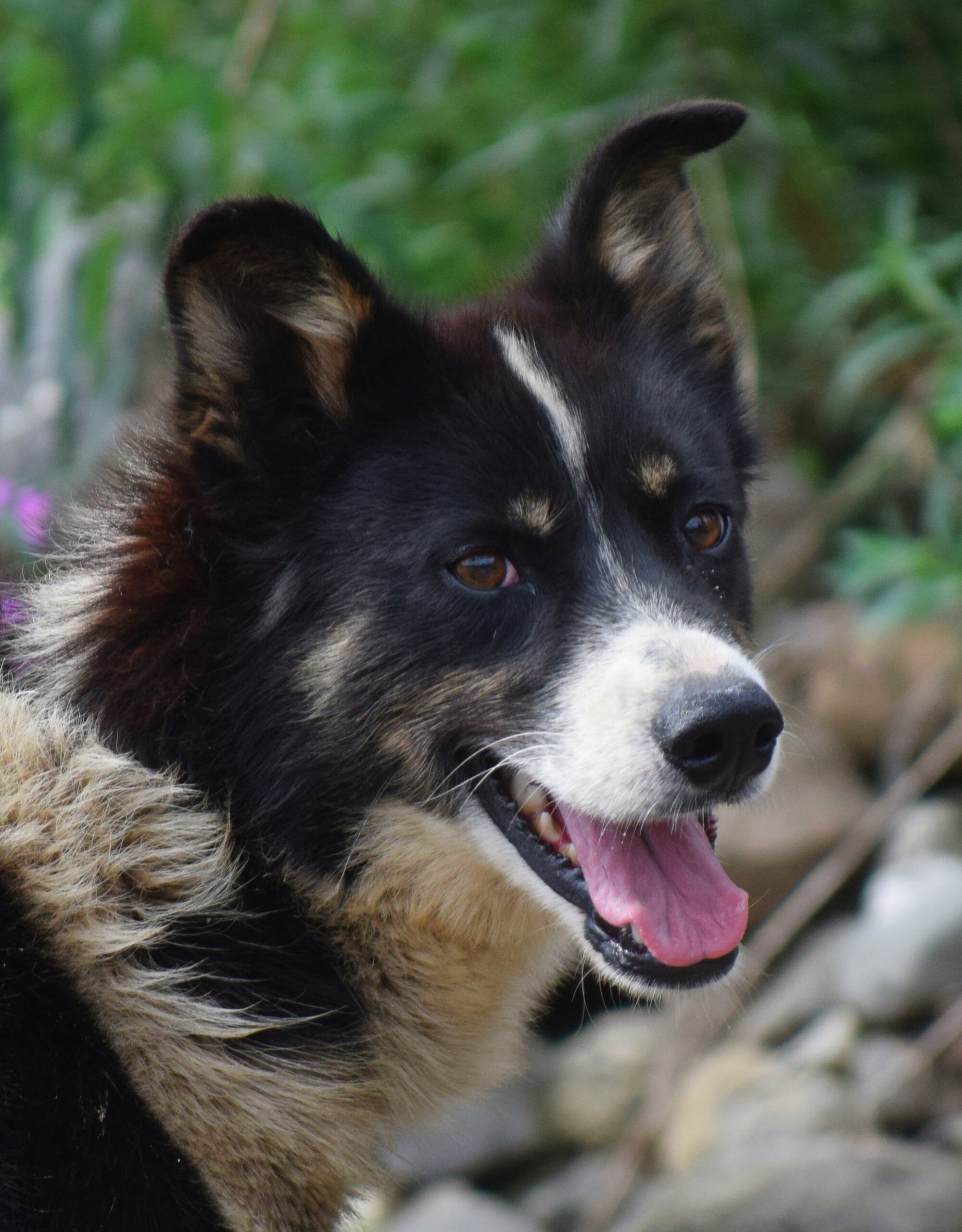
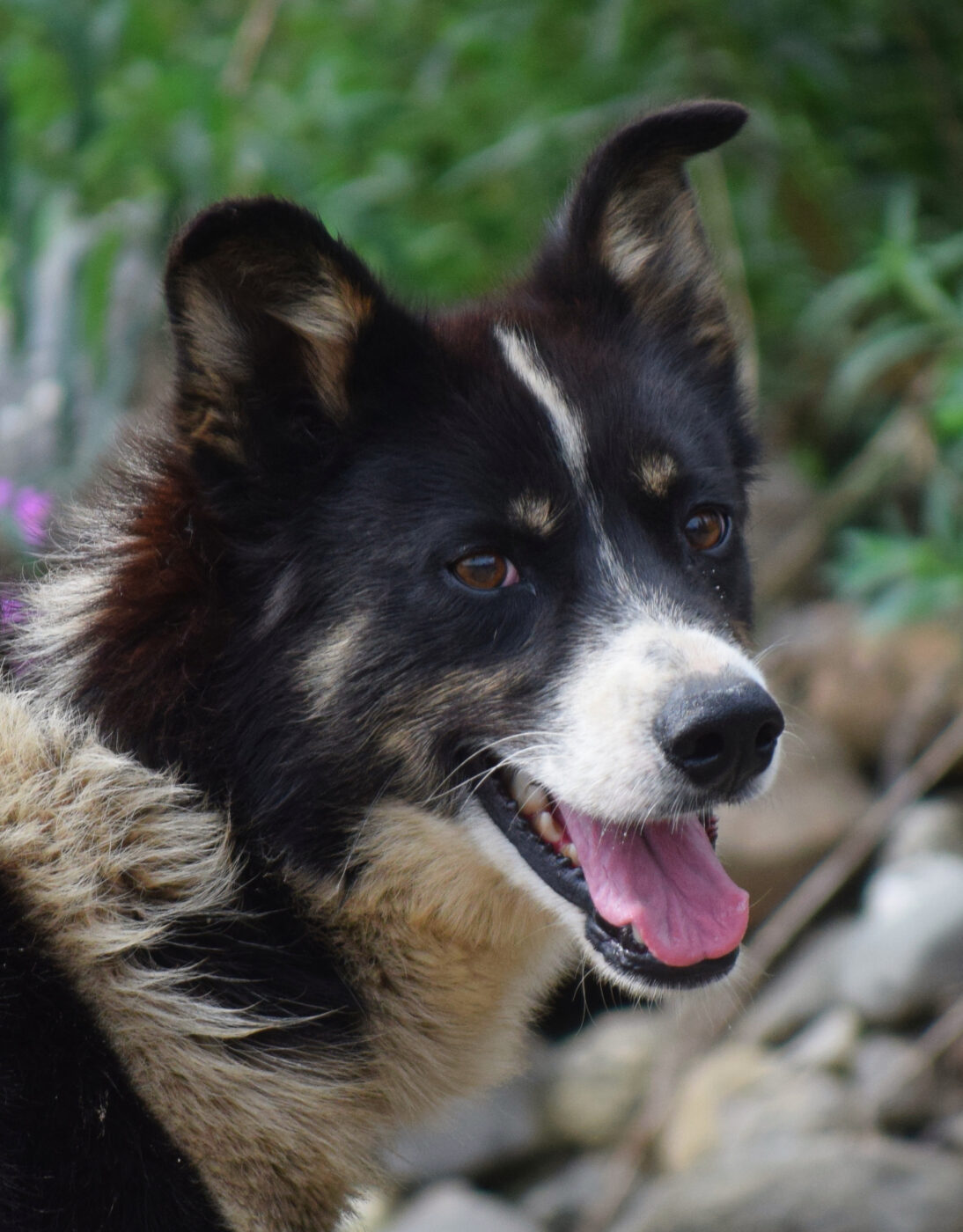
When people think of sled dogs, they often picture fluffy blue‑eyed Siberian Huskies or powerful Malamutes. But the true workhorse behind Alaska’s sled dog culture—and the dogs you’ll most often meet on dog sled tours—is the Alaskan Husky.
So what exactly is an Alaskan Husky? The answer may surprise you.
Not an AKC Registered Breed—A Purpose-Bred Athlete
Unlike Siberian Huskies or Alaskan Malamutes, the Alaskan Husky is not a recognized purebred dog. Instead, it is a purpose‑bred sled dog developed in the North since time immemorial for one thing above all else: performance.
Alaskan Huskies are bred by mushers for speed, endurance, intelligence, and attitude rather than appearance. Over generations, mushers have selectively bred dogs with traits best suited for pulling sleds in Alaska’s extreme conditions.
This means Alaskan Huskies can vary widely in size, coat length, ear shape, and coloring—but they all share an intense love of running and working as part of a team.
What Makes Alaskan Huskies Special?
Alaskan Huskies are considered some of the best endurance athletes in the canine world. Their strength isn’t just physical—it’s mental.
Common traits include:
- Exceptional drive, stamina, and speed
- Strong work ethic and focus
- High intelligence and problem-solving ability
- Social, cooperative personalities
- A deep bond with their musher and teammates
These dogs are happiest when they have a job to do. Pulling a sled isn’t just exercise—it’s their passion.
Built for Alaska’s Extreme Conditions
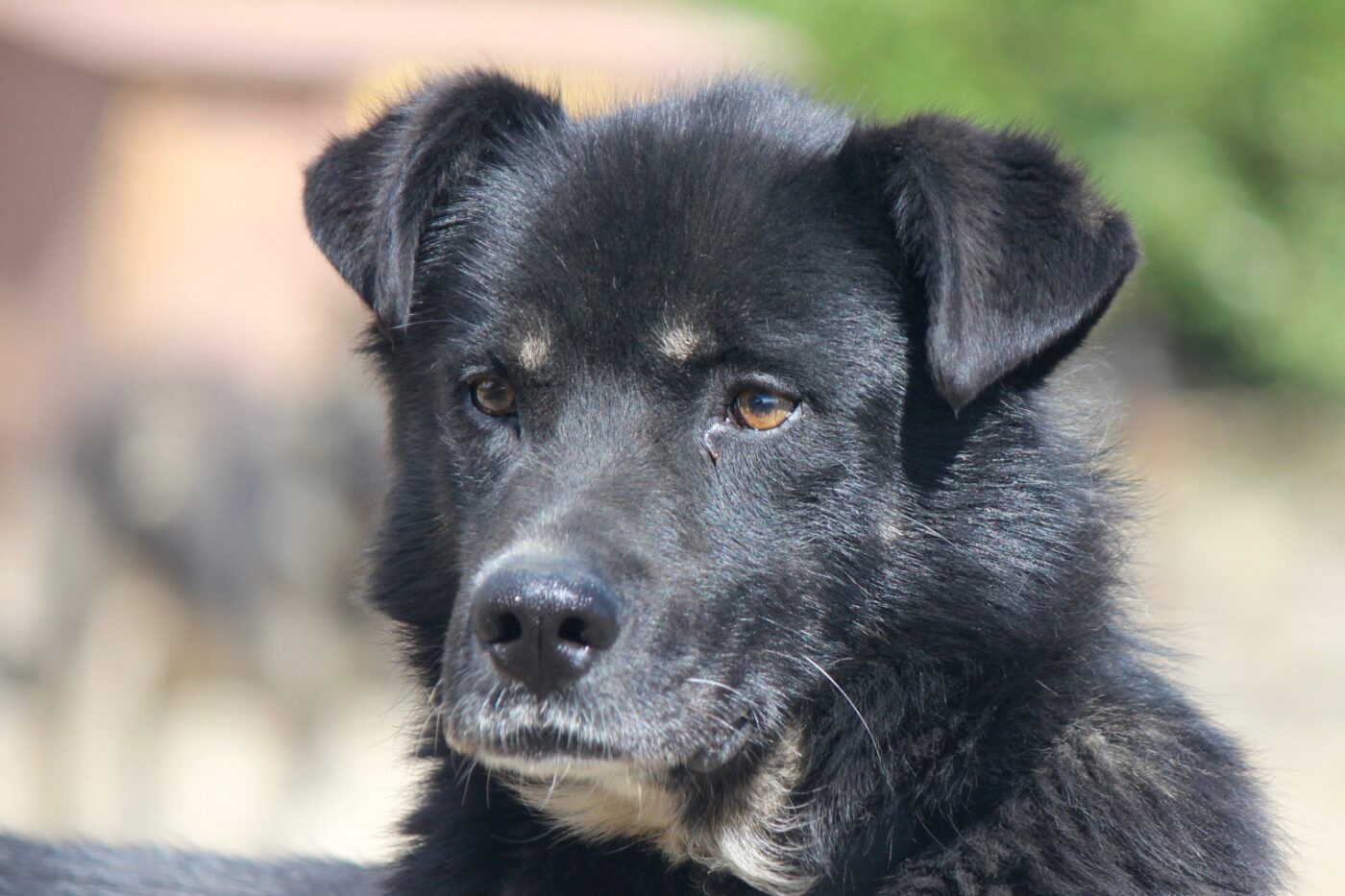
Alaskan Huskies are perfectly adapted to life in the North. Their coats range from short and sleek to thick and fluffy, depending on their lineage and climate needs. Many have slightly shorter coats than show-bred huskies, which helps regulate body temperature during long runs.
They are efficient eaters, resilient in cold weather, and capable of running for hours—or days—across snow, ice, and wilderness terrain.
This adaptability makes them the top choice for long-distance races like the Iditarod Trail Sled Dog Race and the Yukon Quest.
Alaskan Huskies vs. Siberian Huskies
While they share a name, Alaskan Huskies and Siberian Huskies are very different.
Siberian Huskies are a standardized breed with consistent looks and traits, often bred for companionship or show.
Alaskan Huskies, on the other hand, are bred purely for performance. Many have leaner builds, longer legs, and a more aerodynamic shape designed for speed and endurance rather than appearance. Their metabolism sets them apart.
If you’ve ever seen sled dogs that don’t “look like huskies,” chances are—they’re Alaskan Huskies.
Temperament and Personality
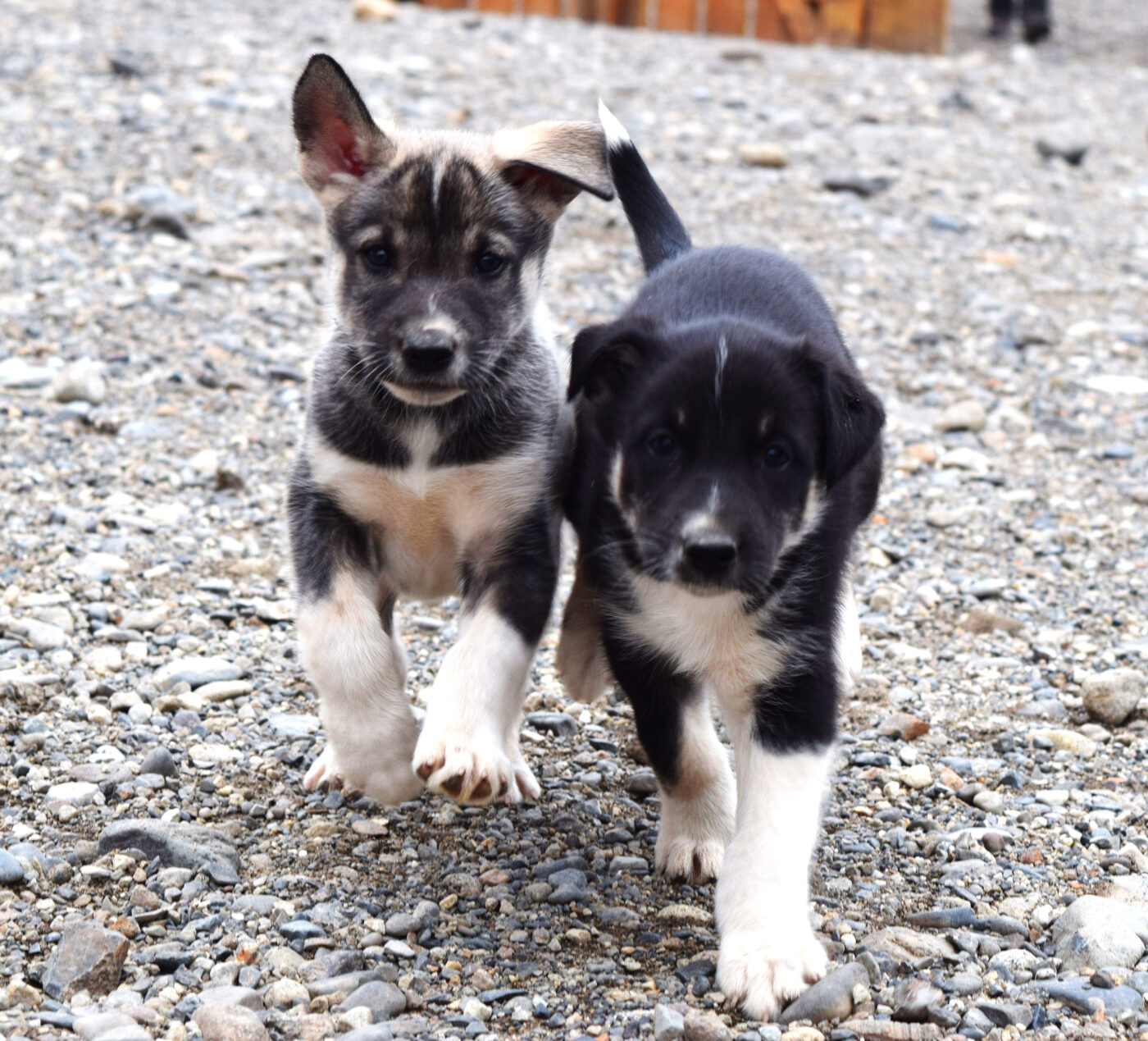
Despite their athletic drive, Alaskan Huskies are known for being friendly, affectionate, and people-oriented. Aggression is undesirable in a sled dog team, so mushers prioritize social, cooperative temperaments.
They tend to be:
- Playful and curious
- Highly social with other dogs
- Enthusiastic and eager to please
After a good run, many Alaskan Huskies are perfectly content to curl up for a nap—or soak up attention from visitors.
Why You’ll Meet Alaskan Huskies on Sled Dog Tours
Most professional kennels and dog sled tour operations across Alaska rely on Alaskan Huskies. Their athletic ability, love of running, and adaptable nature make them ideal partners for both short rides and long expeditions.
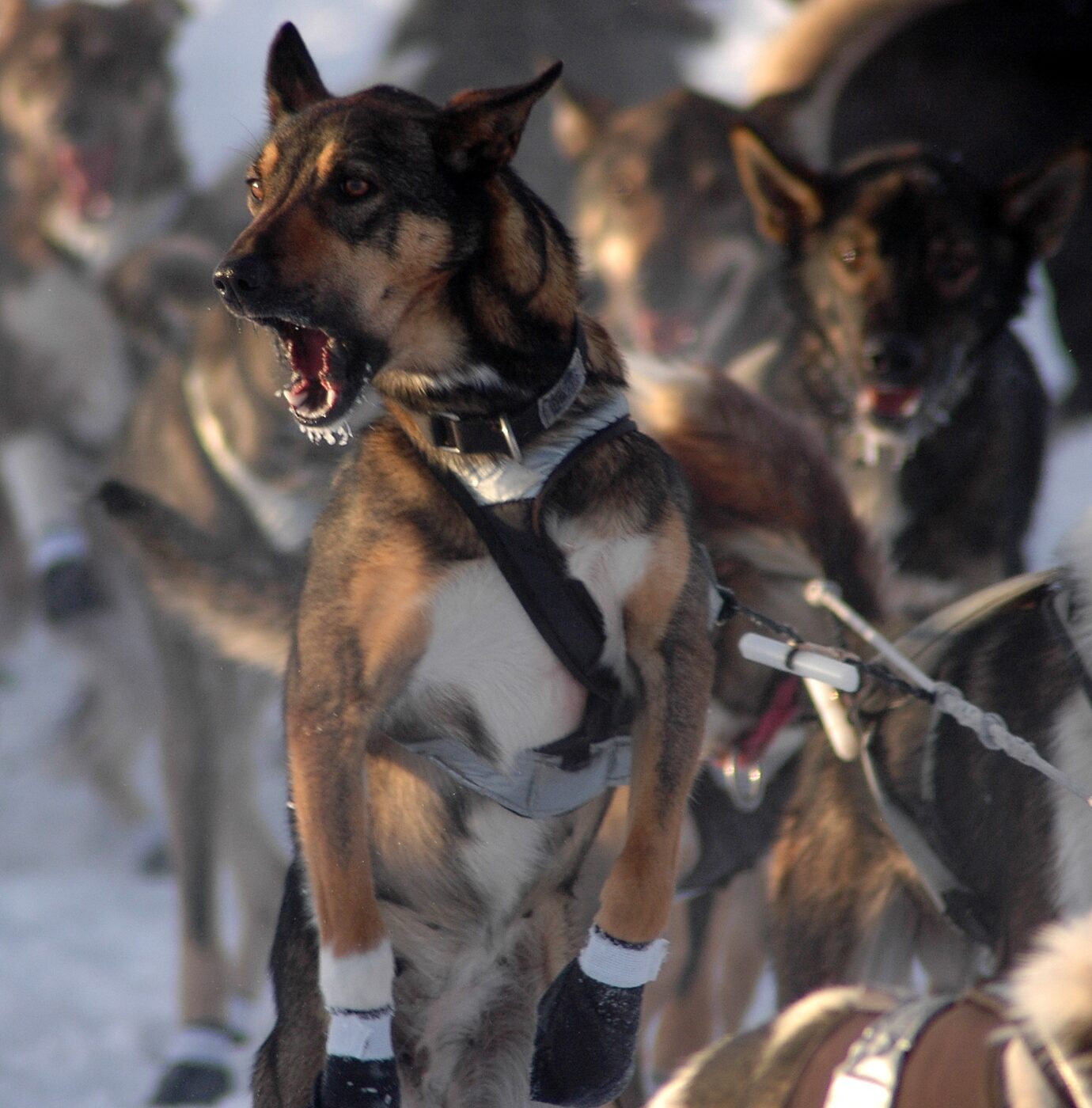
When you meet a sled dog bouncing with excitement at the start line, barking and dancing until the sled takes off—that’s not chaos. That’s joy.
Once the sled starts moving, those same dogs settle into focused, purposeful silence, doing exactly what they were born to do.
The Heart of Alaska’s Mushing Culture
Alaskan Huskies are more than sled dogs—they are teammates, athletes, and family members. They represent generations of knowledge passed down through Alaska’s mushing community, shaped by the land, the climate, and the demands of life in the North.
To understand the Alaskan Husky is to understand Alaska itself: resilient, hardworking, adaptable, and deeply connected to the wild.
If you’ve ever wondered why sled dogs look the way they do—or why they love to run so much—the Alaskan Husky holds the answer.