
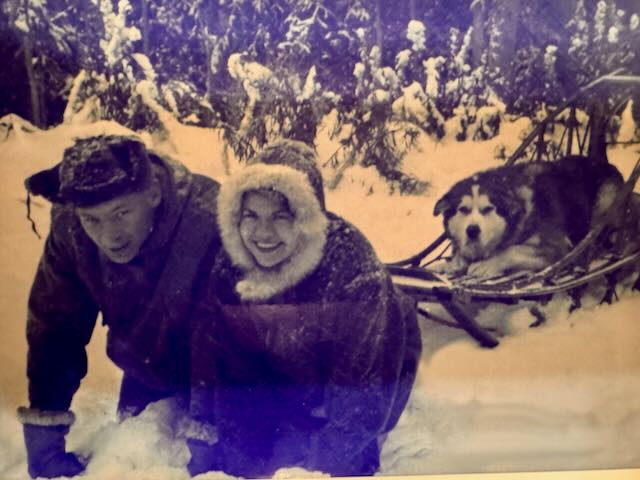
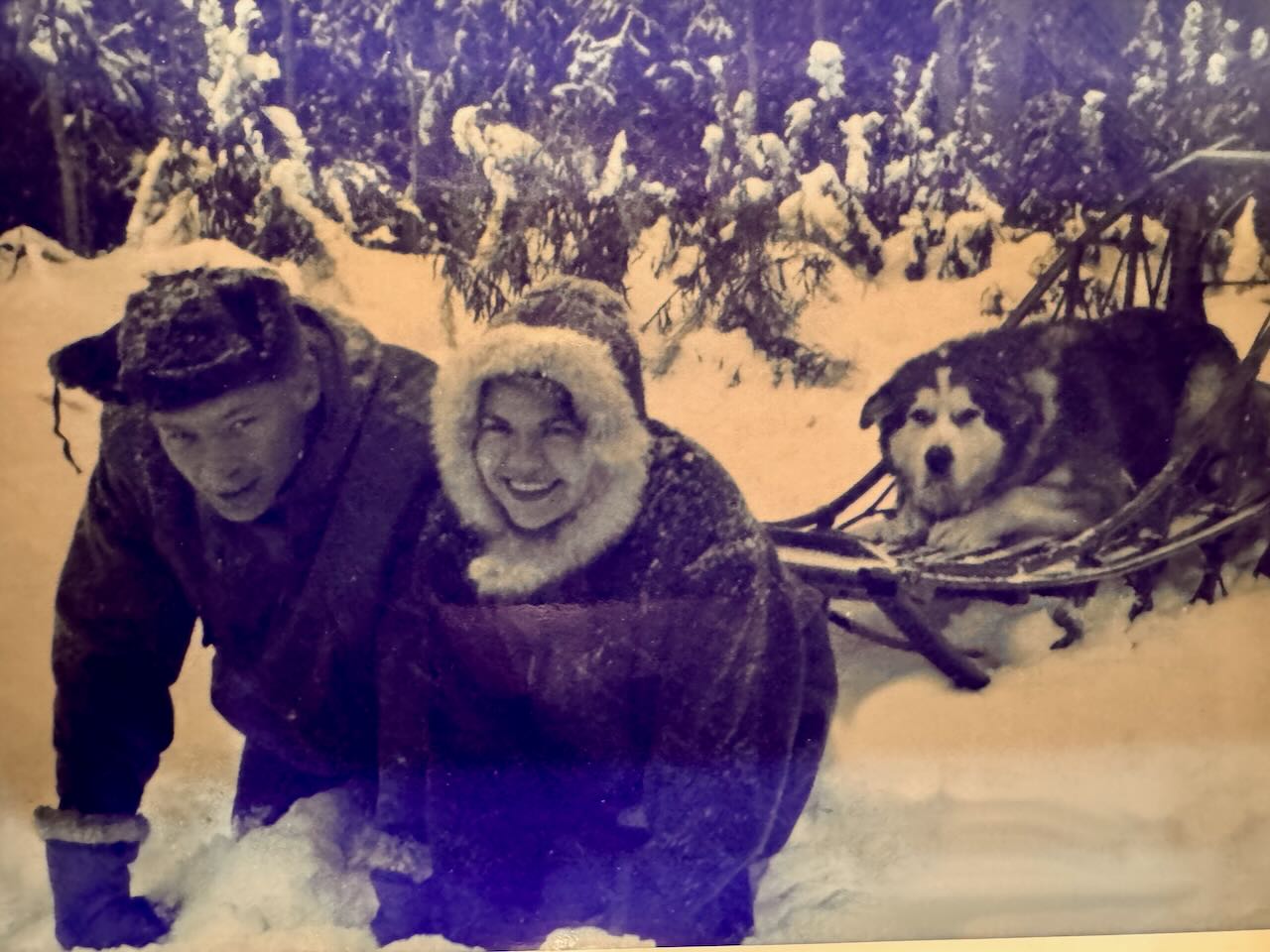
We joke that we show our puppies videos of the Iditarod as part of their training process, but it is no joke that it is beneficial for dogs to learn from others. The desire to run and pull comes instinctively to our dogs. We breed them for their desire, and they show it from the time that they are puppies out on the trail.

What Is Dog Mushing
But what is dog mushing? Where did it come from?
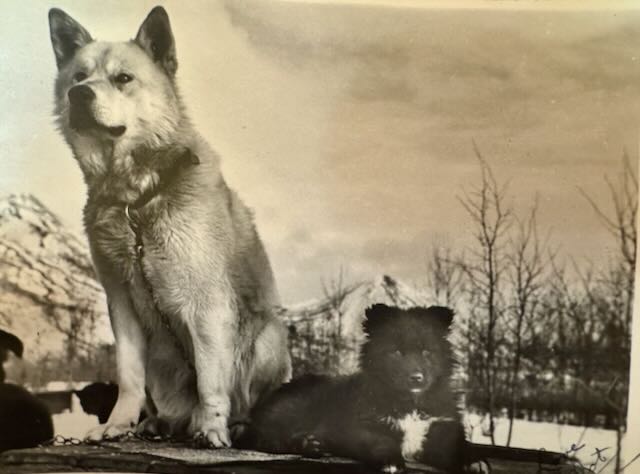
In simple terms, dog mushing or dog sledding is the idea of using dogs as draft animals. While humans have shaped the world to our design, we have done so with the help of the dog. We pale in comparison to dogs. They surpass us in senses: smell, hearing, and vision. They are faster, have more endurance, and more strength. As we as humans have expanded and developed our world, we have used the dog in many ways, including as a method of transporting goods and people.
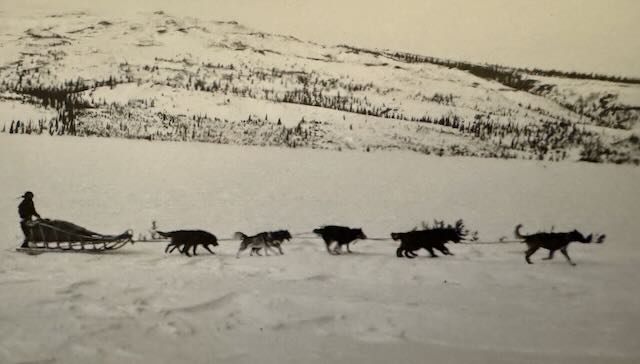
In North America, dogs predated modern horses, which were only introduced in the 15th century when Spanish explorers arrived. Dogs, however, accompanied the first humans to inhabit the Americas as they crossed the Bering Sea Bridge and spread throughout North and South America. A 2024 study concluded that dogs were living with humans in Alaska as much as 12,000 years ago. Through analyzing canine bones found at archaeological human camps, they found that the bones showed signs of a high consumption of salmon, which differed from the diet evident in the bones of wolves. Hence 12,000 years ago humans were sharing their food with their canine companions who undoubtedly assisted their people in many ways. (1)
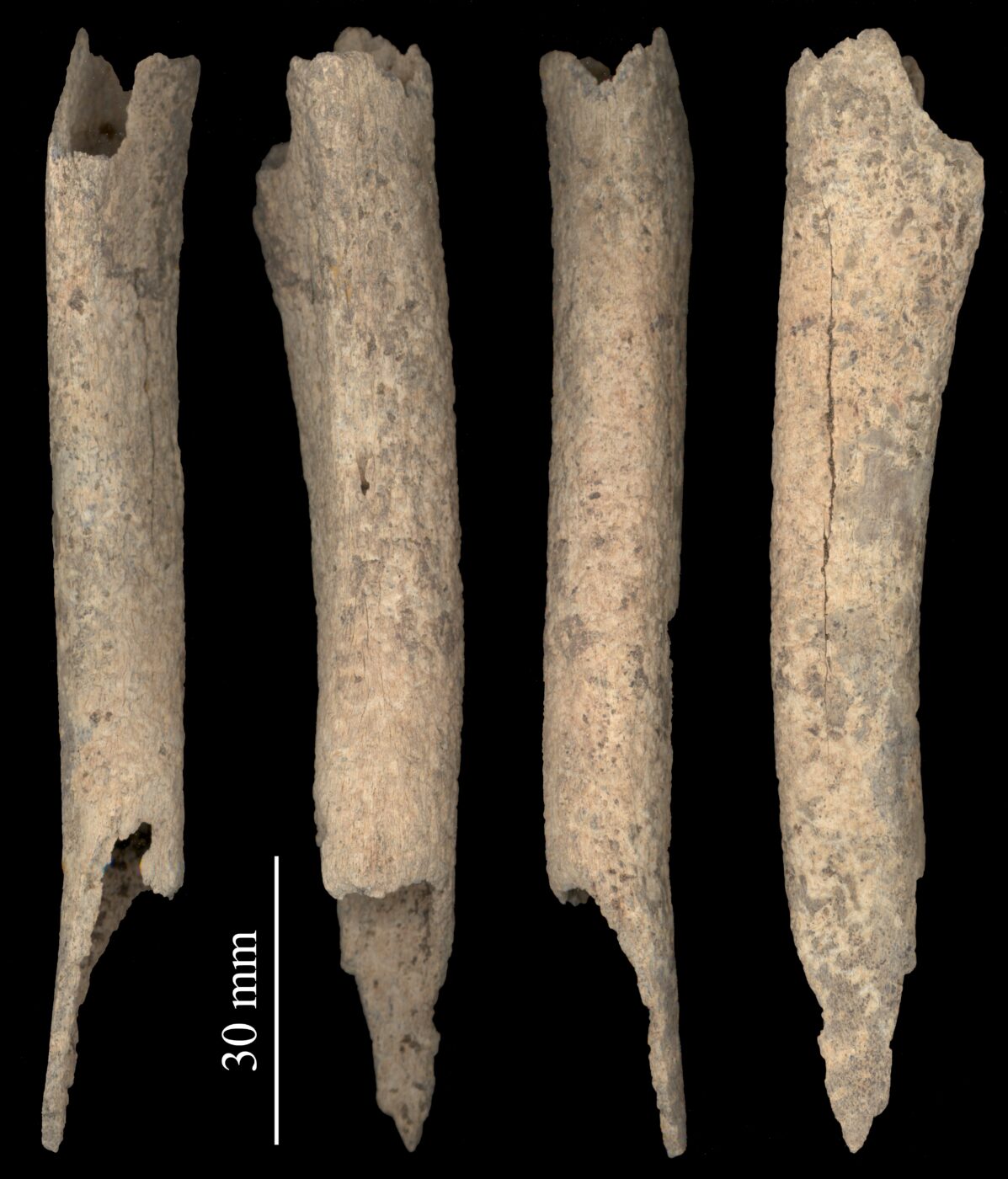
In 2017, ancient dog remains were found in Eastern Siberia dating from 9,500 years ago. These remains were found along with evidence of sledding equipment, demonstrating that the history of dog sledding dates back at least 9,500 years. The scientists sequenced the dog’s genome from DNA evidence and found that a major part of the genome is linked to modern day Alaska sled dogs and is different from wolves and other dogs. This showed that as far back as 9,500 years, sled dogs had already differentiated from wolves and other dogs. This specialization allowed sled dogs to develop unique traits. “Sled dogs do not have the same genetic adaptations to a sugar- and starch-rich diet that other dogs have. On the other hand, they have adaptations to high-fat diets, with mechanisms that are similar to those described among polar bears and Arctic people…This emphasizes that sledge dogs and Arctic people have worked and adapted together for more than 9,500 years. We can also see that they have adaptations that are probably linked to improved oxygen uptake, which makes sense in relation to sledding and give the sledding tradition ancient roots.” (2)
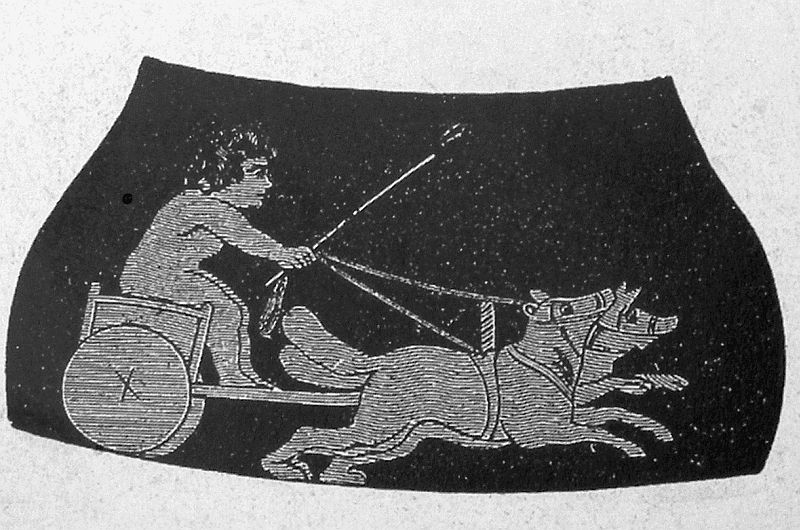
Use of dogs as draft animals was not limited to the arctic. There is evidence of dogs being used as draft animals in Ancient Greece and Rome through illustrations on pottery.
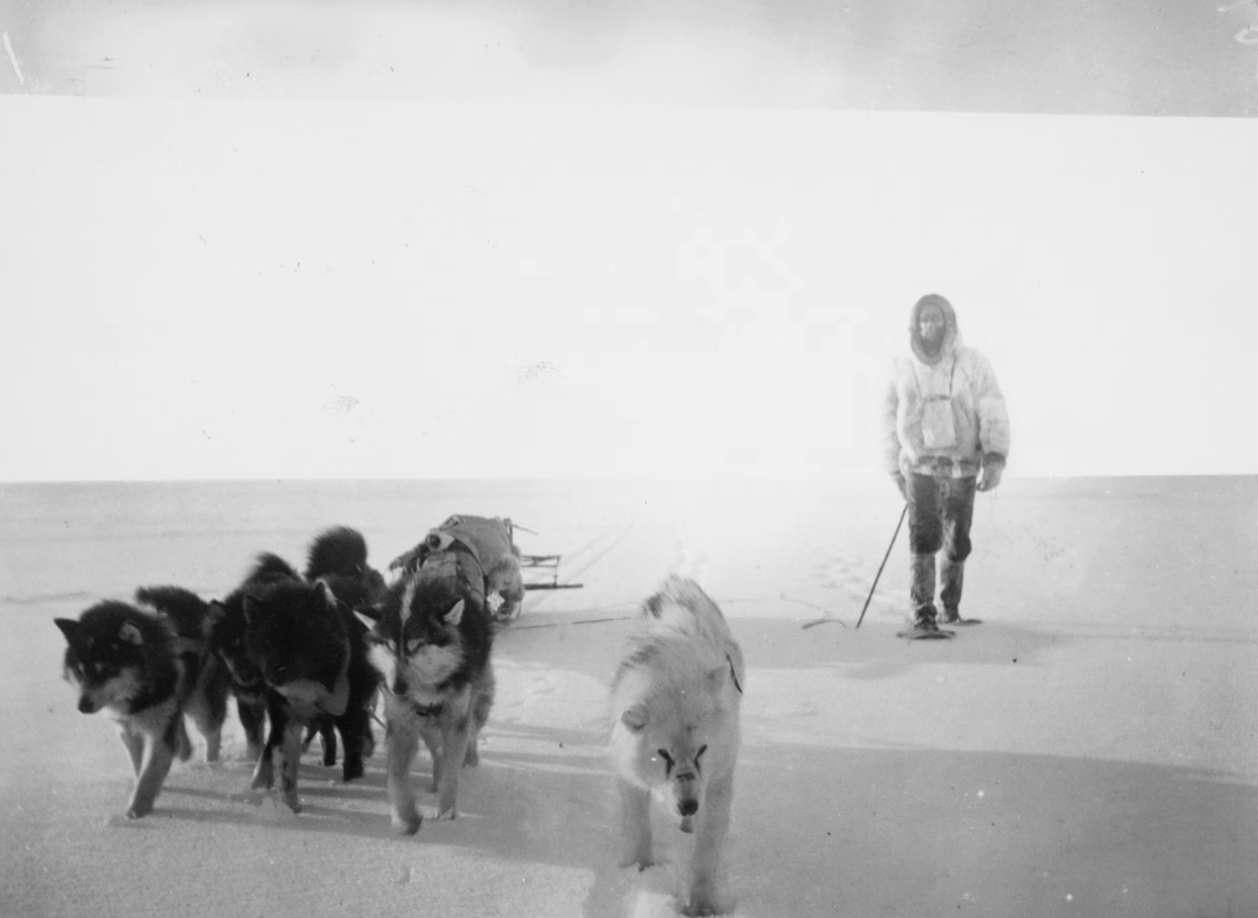
Marco Polo wrote of encountering sled dogs in 13th century travels. He described how in Siberia dogs served as transport between “post houses.” To accommodate the ice and “mire” they would pull a sledge as wheeled vehicles and horses would not succeed in such conditions.
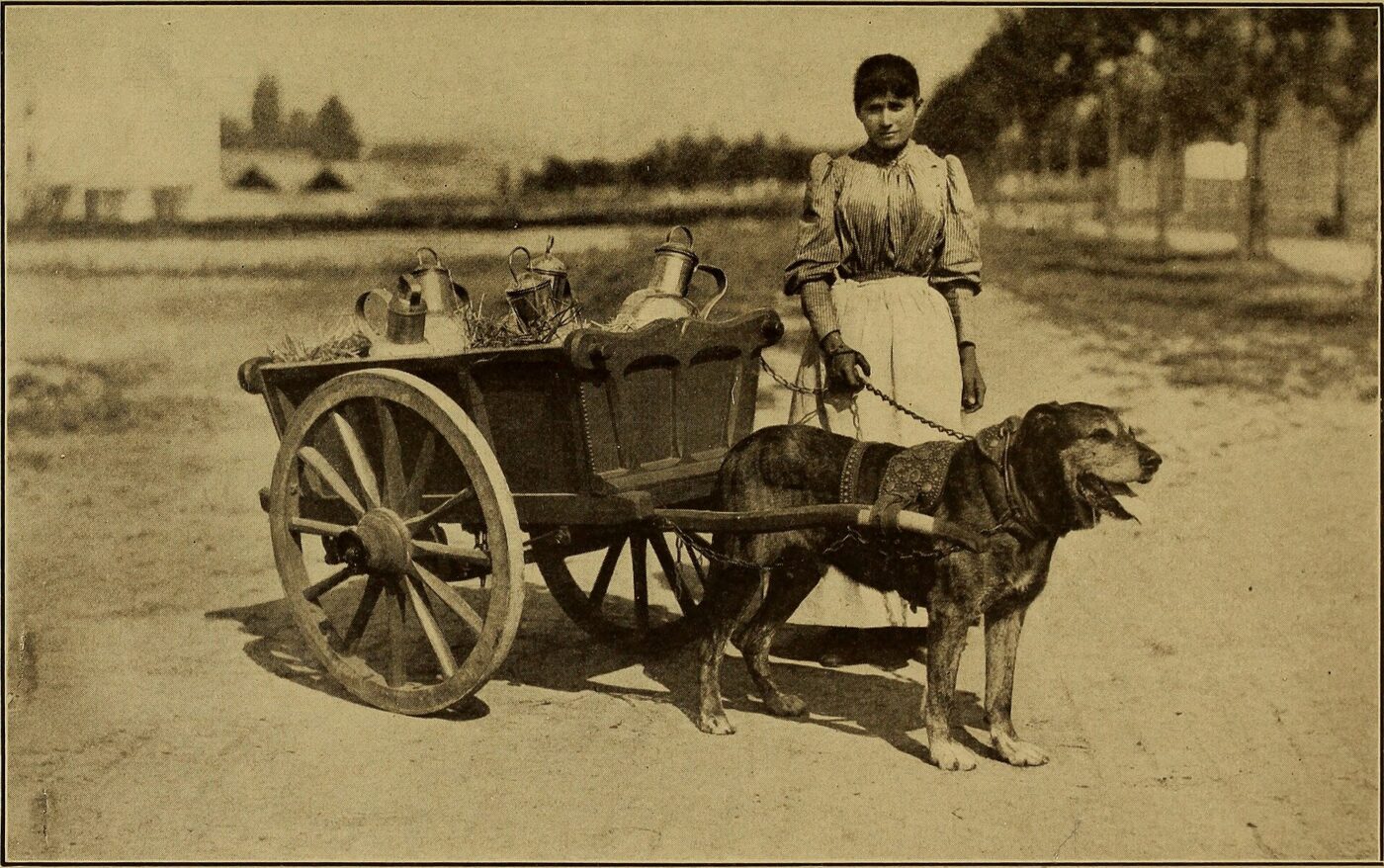
There is also evidence of dogs being used as draft animals in Europe. In the 16th century it was described that in Brussels dogs were “employed by a tanner to pull his chariot full of skins to the market.” (3) In 1725 dogs were used in Belgium and the Netherlands to pull carts of milk, bread, and goods to market.
In North America, sled dogs were used by the Plains Indians and Alaska Natives to pull travoises, “A-frame” sleds for use with or without snow. As first the European explorers traversed Alaska, they encountered interior Native Alaskans using dogs to carry gear in packs made of caribou skins.(4)
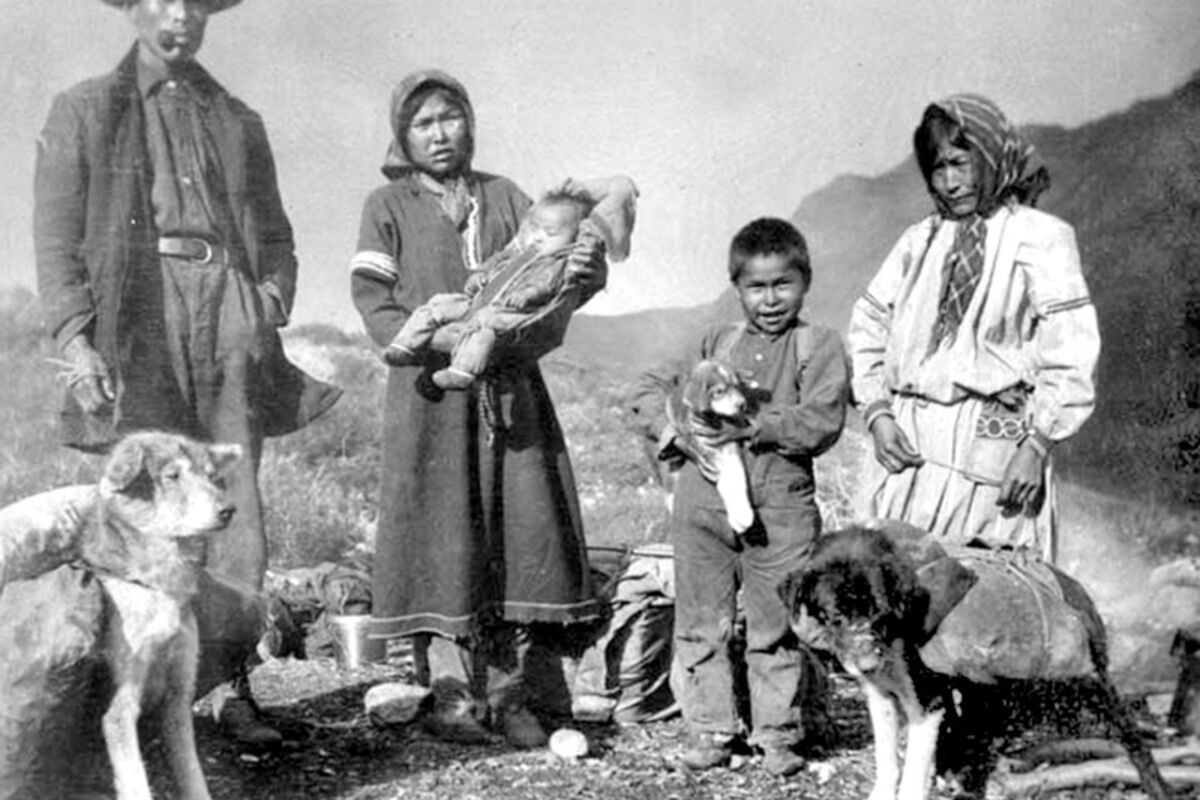
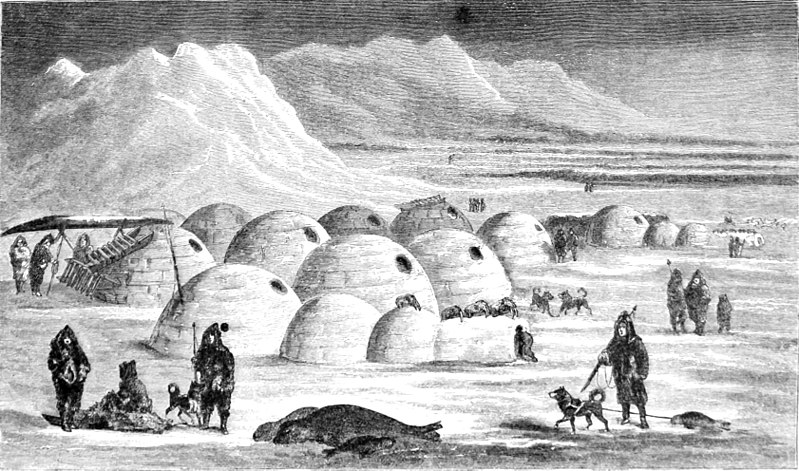
According to the Alaska Department of Fish and Game, archeological evidence suggests that Indigenous peoples along the Alaskan coast kept dogs several thousand years ago.(5) According to UAF Anthropology Department Professor Jean Aigner, there is firm archaeological evidence for the use of dog sleds by Alaska Natives for at least the last thousand years. Dog teams were frequently used by Indigenous Inuit peoples for hunting, and sledding. Dogs were brought along on trips to hunt seals, and to transport food and supplies across the terrain. (6) When Russians arrived in the interior of Alaska in the 1800s, they found Alaska Natives using dogs to haul sleds loaded with fish, game, wood and other items. The Natives ran ahead of the dogs as they guided them on the yearly trips between villages and fish and hunting camps. The Russians influenced sled dog team set up “by adding handlebars to sleds and harnessing dog teams in single file or in pairs. They also trained the dogs to follow commands given by sled drivers and introduced the “lead dog” or leader.”(7) European influence may have led to changes in details of harnessing, but the use of dogs in harness was originated by Arctic Native peoples.(8)
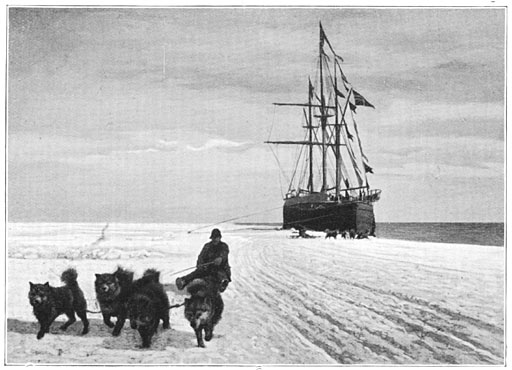
At the turn of the 20th century, sled dogs became infamous for their role in the Klondike Gold Rush and in Polar Exploration. Sled dogs are uniquely suited to life in the north. Sled dog feed is calorie dense food making it easier to transport. Unlike horses, dogs are carnivores by nature and can be fed on food collected through fishing and hunting, which can be resupplied in the arctic, a benefit as grains are hard to come by in the north. As stampeders rushed first to the Klondike Gold Rush, and later to strikes in Alaska’s Nome, Iditarod, and Fairbanks regions, Alaskan sled dogs were essential to helping the miners transport their goods. Thousands of dogs of all kinds were imported from the Lower 48 to help prospectors and adventurers reach the gold fields.

Likewise, as uncharted areas of the globe became scarce, the prestige of reaching the North and South Pole became a race between explorers. Both Frederick Cook and Robert Perry used sled dogs in their land expeditions to the North Pole in 1908 and 1909. When Ronald Amundsen reached the South Pole in 1911, he credited his use of sled dogs as key in his ability to beat Robert Scott.
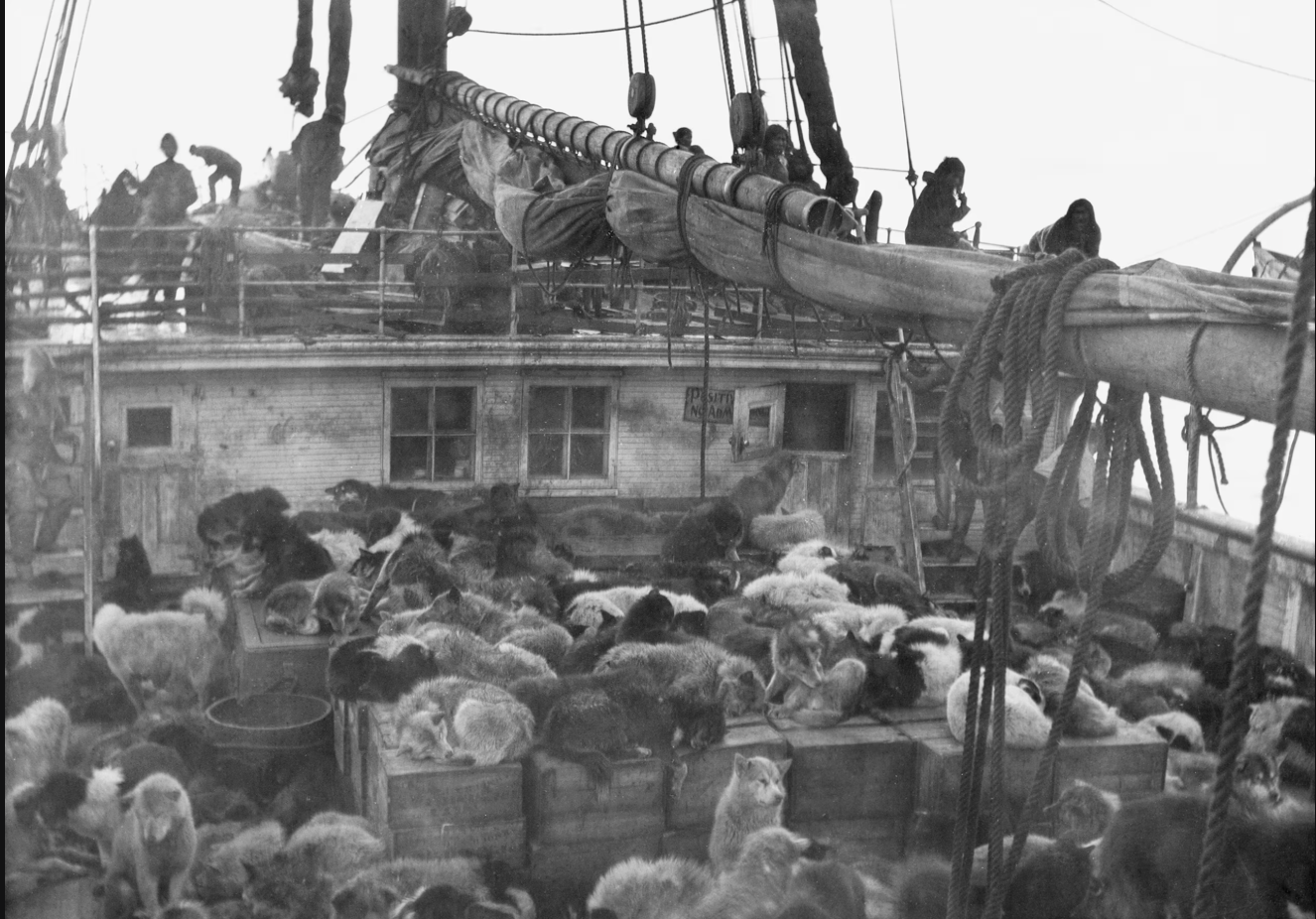
Throughout the days of the Territory of Alaska, sled dogs were used to transport mail. Trails crisscrossed Alaska from the sea ports to the interior villages. Famous routes such as the Valdez to Fairbanks Trail, and the Iditarod trail from Seward to Nome through the interior were developed. “Mail teams were observed to consist of five or six fast dogs, capable of pulling loads of 75 pounds each at six to nine miles per hour on a good trail. Freight teams consisted of 7 to 11 large dogs capable of hauling loads of 200 pounds per dog at two to three miles per hour.”(9)
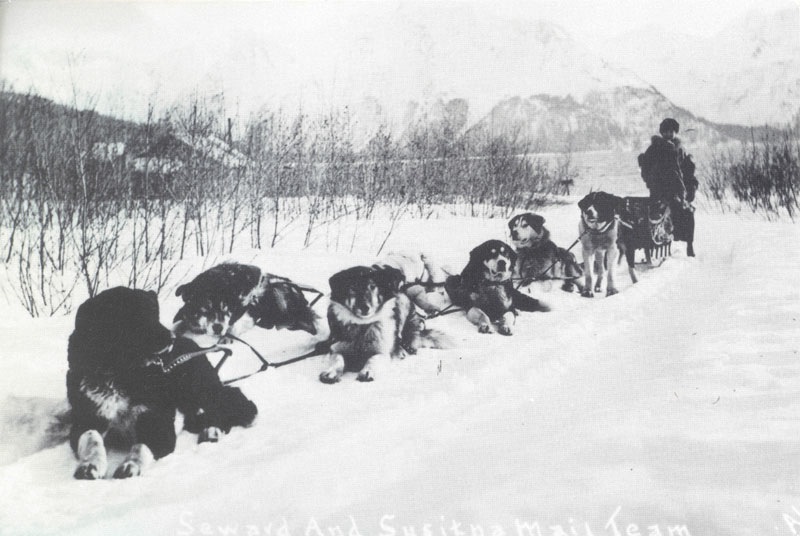
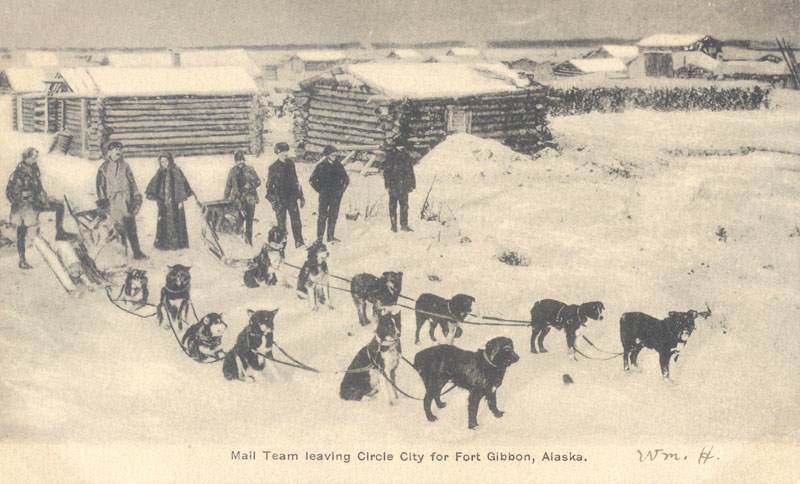

This era also saw the start of sled dog races. In the spring, dog drivers would boast about the quality of their dogs teams, who had been used for work all winter and make good on these claims in events such as The All Alaska Sweepstakes. Beginning in 1908, The All Alaska Sweepstakes is known as the first long distance sled dog race, traveling 408 miles from Nome to Candle and back.
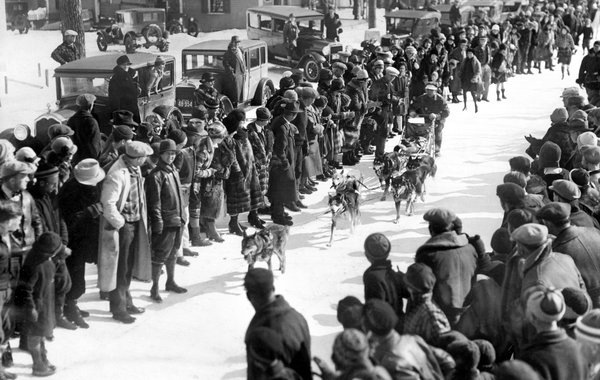
Sled dogs gained national attention for their role in the 1925 Serum Run. Due to an outbreak of diphtheria in Nome, Alaska, serum needed to reach the townspeople quickly. A relay of teams, including well known dogs such as Balto and Togo, passed the serum from one team to the next like the Pony Express to travel an impressive 674 miles in just 127.5 hours.(10)
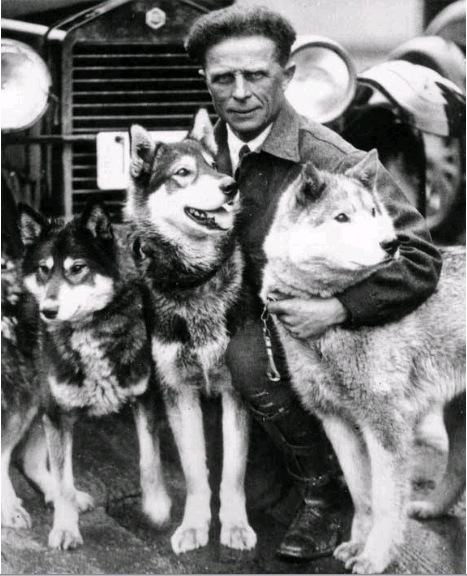
Sled dogs also found work in the newly formed Mt McKinley National Park (now Denali National Park). Beginning in 1922, park superintendent Harry Karstens established the kennel and the practice of using sled dogs to assist on patrols to prevent poaching and transport materials. Chief Ranger, John Ruhmor, the original homesteader of DogGoneIt, was known for his affinity for sled dogs, attesting to their superiority to snowmobiles.
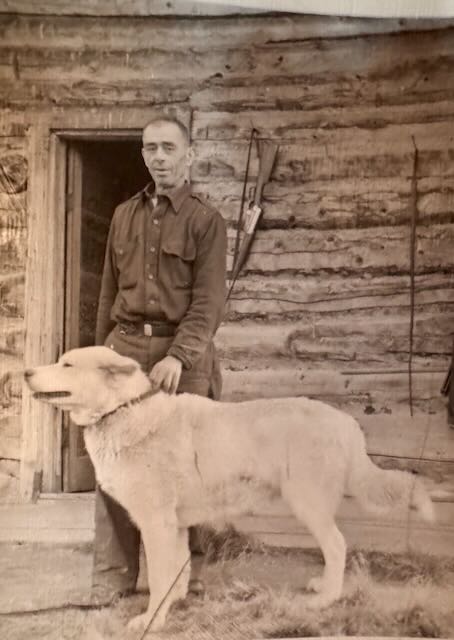
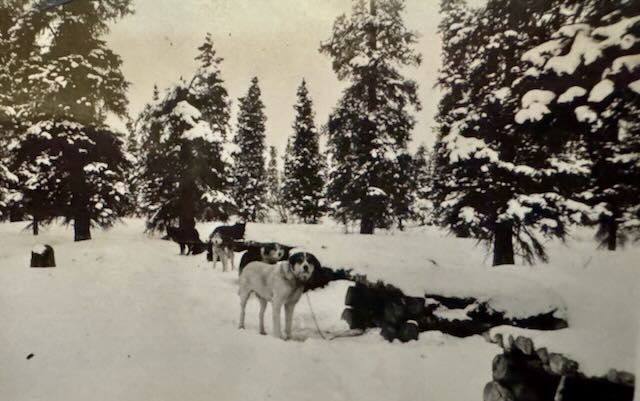
The late 1960s saw an influx of airplanes and snowmobiles. As these motorized transports became more trusted, the use of sled dog teams declined. Concerned about the future of sled dogs in Alaska, Joe Redington Sr. developed the Iditarod Sled Dog Race as a way to encourage mushers to maintain their kennels despite the availability of snowmobiles.
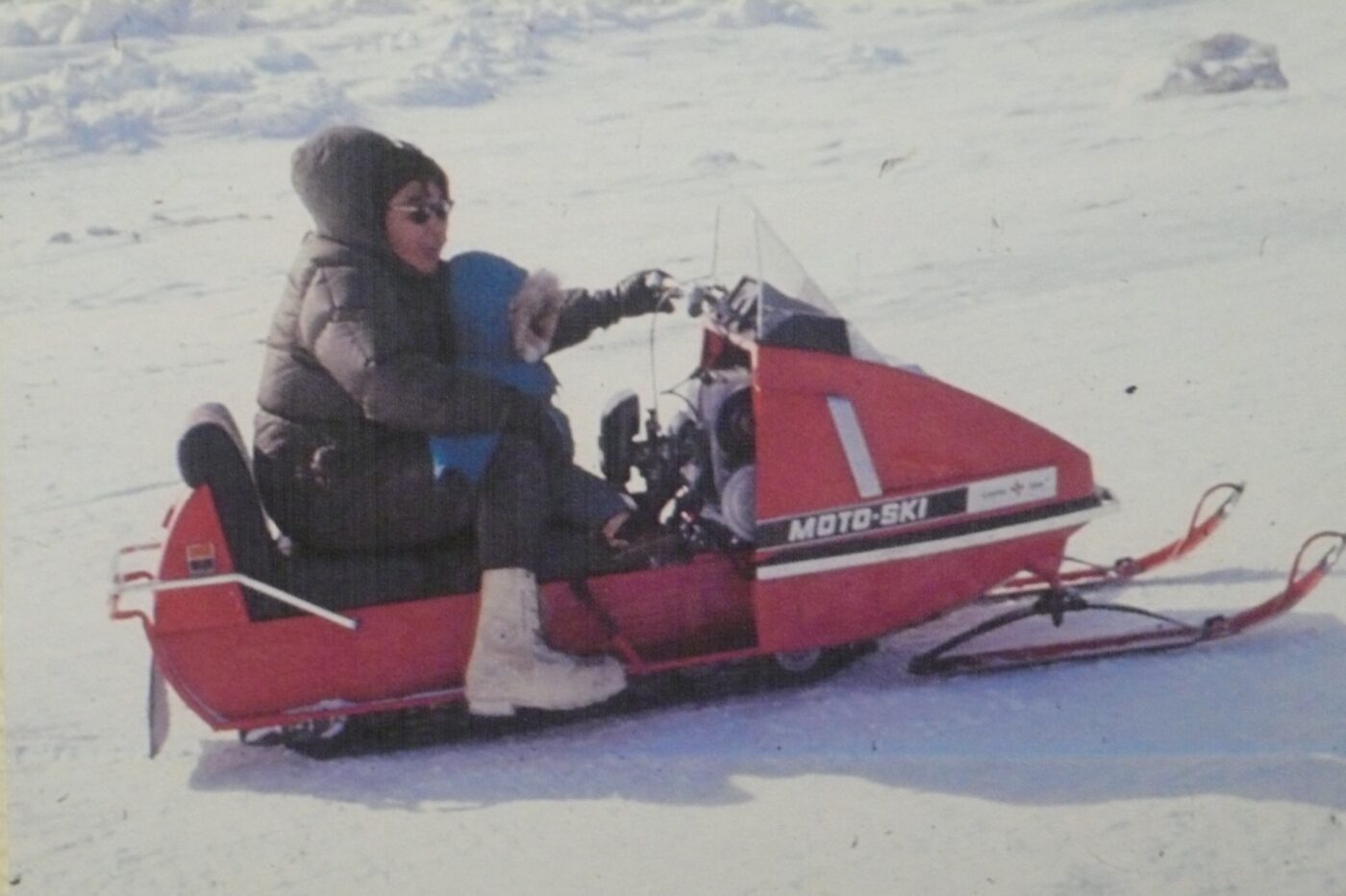
Today, sled dogs maintain a rich culture in Alaska. Alaskans continue to maintain sled dogs and use them for work, hauling firewood and water and checking traplines, for racing, in both sprint and distance events, and for recreation. These modern teams range from large teams in open class sprint races such as the Open North American and the Fur Rondy to single dogs pulling a skier. Every year mushers and fans alike come together for the Iditarod Trail Sled Dog Race’s iconic thousand mile journey commemorating not only the Serum Run, but also the contributions of sled dogs throughout the history of Alaska.


For thousands of years sled dogs have established themselves as the finest draft animals in the world. However, dog mushing is so much more than that. As any dog owner knows, we get an enormous benefit from sharing our lives with dogs beyond any traditional form of work. Dogs provide companionship, humor, motivation, and comfort. While their physical attributes made them excel in their role as draft animals, it is their heart and soul that make them truly exceptional in their contributions to our lives.
Until next time, I hope you are all having as much fun with your dogs as we are with ours.
Mike, Caitlin, and Max
(6, 8) Dog Days of Winter: The Iditarod in the Modern Age – History of Skiing & Snowsports. 4 May 2023, https://scholarblogs.emory.edu/historyofskiing/2023/05/04/__trashed-6/.
(4) Dog Packs – The Anchorage Museum. https://www.anchoragemuseum.org/exhibits/arctic-remix/remix-objects/dog-packs/. Accessed 18 Nov. 2025.
(5, 9) Dog Teams and the Use of Subsistence-Caught Fish for Feeding Sled Dogs in the Yukon River Drainage, by David B. Andersen. Technical Paper No. 210. Juneau, 1992.
(3) Lavigne, Guillaume de (1 January 2014). THE DRAFT DOG, past and present. Lulu. ISBN 978-1-291-67128-5.
(2) Rohde-Copenhagen, Amanda Nybroe. “Ancient Pup ‘Zhokhov’ Clarifies Sled Dog Origins.” Futurity, 26 June 2020, https://www.futurity.org/sled-dogs-zhokhov-2393982-2/.
(10) Serum Run of 1925 | Alaska State Archives. https://archives.alaska.gov/education/serum.html#:~:text=In%20January%201925%20an%20outbreak,the%20Iditarod%20dog%20sled%20race. Accessed 18 Nov. 2025.
(1) Study Shows Ancient Human, Canine Relationship. https://www.uaf.edu/news/study-shows-ancient-human-canine-relationship.php. Accessed 18 Nov. 2025.
(7) Voice, Senior. “Sled Dogs Figure into Alaska History.” Senior Voice, HTTPS://www.seniorvoicealaska.com/story/2015/12/01/columns/sled-dogs-figure-into-alaska-history/941.html. Accessed 18 Nov. 2025.